
Do Freelancers Need Professional Liability Insurance? 7 Key Facts
Many freelancers wonder whether professional liability insurance is something they actually need, or if it is only relevant for larger businesses and established companies. When starting out, freelance work often feels low-risk, especially when handling smaller projects or working with a limited number of clients.
However, as freelance work evolves, the nature of client relationships and project responsibilities can change. Freelancers may begin providing strategic advice, managing more complex deliverables, or working with businesses that rely on their expertise to make important decisions. In these situations, clients may expect a higher level of accountability if something goes wrong.
Professional liability insurance—also known as errors and omissions (E&O) insurance—is designed to address claims related to professional services, such as mistakes, missed deadlines, or advice that allegedly leads to financial loss. While not every freelancer needs this coverage immediately, certain types of work can increase the likelihood of disputes.
So, do freelancers need professional liability insurance? The answer often depends on the type of services provided, the clients involved, and the potential impact of the freelancer’s work. In this guide, we break down when freelancers typically consider this coverage, when it may not be necessary, and how to decide what is appropriate for your situation.
This article is for informational purposes only and should not be considered insurance or legal advice.
What Professional Liability Insurance Is

Understanding when freelancers need professional liability insurance helps reduce risk as projects grow.
Professional liability insurance is a type of business insurance designed to help protect freelancers if a client claims their work, advice, or services caused financial harm. It is often referred to as errors and omissions (E&O) insurance.
Unlike general liability insurance, which covers physical injuries or property damage, professional liability insurance focuses on service-related issues, such as mistakes, missed deadlines, inaccurate advice, or failure to deliver work as expected.
For example, if a freelancer provides a recommendation that does not produce the expected results, or delivers work that a client believes caused financial loss, the client may raise a complaint or legal claim. In such situations, professional liability insurance may help cover legal defense costs and certain claim-related expenses, depending on the policy.
This type of coverage is commonly considered by freelancers whose work involves expertise, decision-making, or client-facing deliverables.
Do Freelancers Really Need It?
The short answer is: it depends on the type of work you do and the level of responsibility you have in your client projects.
Not all freelancers need professional liability insurance right away. If you’re working on small, low-risk projects where your work has minimal financial impact on the client, the likelihood of facing a claim may be relatively low.
However, many freelancers begin to consider coverage as their work evolves. If your services involve providing advice, making strategic decisions, handling important deliverables, or working with larger clients, the potential risks can increase. In these situations, clients may expect accountability if something goes wrong—even if the issue was unintentional.
For example, a freelancer managing a marketing campaign, developing a website, or providing business recommendations may face complaints if the results do not meet expectations or if errors affect the client’s operations. Even in cases where the freelancer did nothing wrong, responding to a claim can still involve legal time and costs.
Because freelance work varies widely, there is no one-size-fits-all answer. Instead, freelancers typically evaluate whether they need professional liability insurance based on their services, clients, project size, and potential financial exposure.
According to the Insurance Information Institute, professional liability insurance helps cover claims related to errors or negligence.
When Freelancers Need Professional Liability Insurance

Freelancers do not always need professional liability insurance from the beginning. However, certain work situations can increase the likelihood of disputes, especially when clients rely heavily on the freelancer’s expertise or deliverables. In these cases, many freelancers begin to consider whether coverage may be appropriate.
Below are common situations where freelancers typically evaluate professional liability insurance.
Working With Larger Clients or Companies
As freelancers start working with established businesses, expectations around deliverables, timelines, and accountability often increase. Larger clients may also include insurance requirements in contracts, especially for projects that involve business-critical work.
Providing Advice or Strategic Recommendations
Freelancers who offer consulting, strategy, or expert guidance may face higher liability exposure. When clients make decisions based on that advice, they may hold the freelancer responsible if the outcome leads to financial loss.
Handling High-Value or Business-Critical Projects
Projects involving significant budgets or important business functions can increase financial risk. For example, developing a website for an e-commerce business or managing a large marketing campaign may directly impact a client’s revenue.
Signing Formal Contracts With Liability Clauses
Some client agreements include clauses that define the freelancer’s responsibility if something goes wrong. These clauses can increase legal exposure, especially if the contract includes indemnification terms or performance guarantees.
Managing Data, Reports, or Technical Systems
Freelancers who work with analytics, financial data, or technical systems may face risks if errors occur. Incorrect reports, system failures, or misinterpretation of data could influence a client’s business decisions and lead to disputes.
These scenarios do not guarantee that a claim will occur, but they highlight situations where the potential impact of freelance work is higher. As responsibilities increase, freelancers often review whether professional liability insurance aligns with the type of services they provide and the clients they work with.
When Freelancers May Not Need It Yet
Professional liability insurance can be valuable in many situations, but it is not always necessary—especially during the early stages of freelance work or when projects carry minimal risk. Some freelancers may choose to delay getting coverage until their work involves greater responsibility or financial exposure.
Here are common situations where freelancers may not need professional liability insurance yet.
Working on Small or Low-Risk Projects
Freelancers handling small tasks with limited financial impact may face fewer liability concerns. For example, simple design edits, basic content writing, or short-term projects for small clients typically involve lower risk compared to large consulting or technical projects.
Early-Stage Freelancing
When freelancers are just starting out, they may work with a small number of clients or take on projects that do not involve complex deliverables. At this stage, the likelihood of disputes related to professional advice or major business outcomes is often lower.
Services With Limited Business Impact
Some freelance services are less likely to influence a client’s financial decisions or operations. While no work is completely risk-free, roles that do not involve strategic advice, financial analysis, or critical systems may carry lower professional liability exposure.
No Client or Contract Requirements
Many smaller clients do not require freelancers to carry insurance. If your current work does not involve formal contracts with liability clauses or insurance requirements, you may choose to evaluate coverage later as your business grows.
Even in these situations, freelancers often revisit the need for professional liability insurance over time. As projects become more complex, clients become larger, or responsibilities increase, the potential risks may change—making it worthwhile to reassess whether coverage is appropriate.
Pros and Cons of Professional Liability Insurance for Freelancers
When deciding whether to purchase professional liability insurance, freelancers often weigh the potential benefits against the cost and relevance to their work. Understanding both sides can help determine whether this type of coverage fits your current business situation.
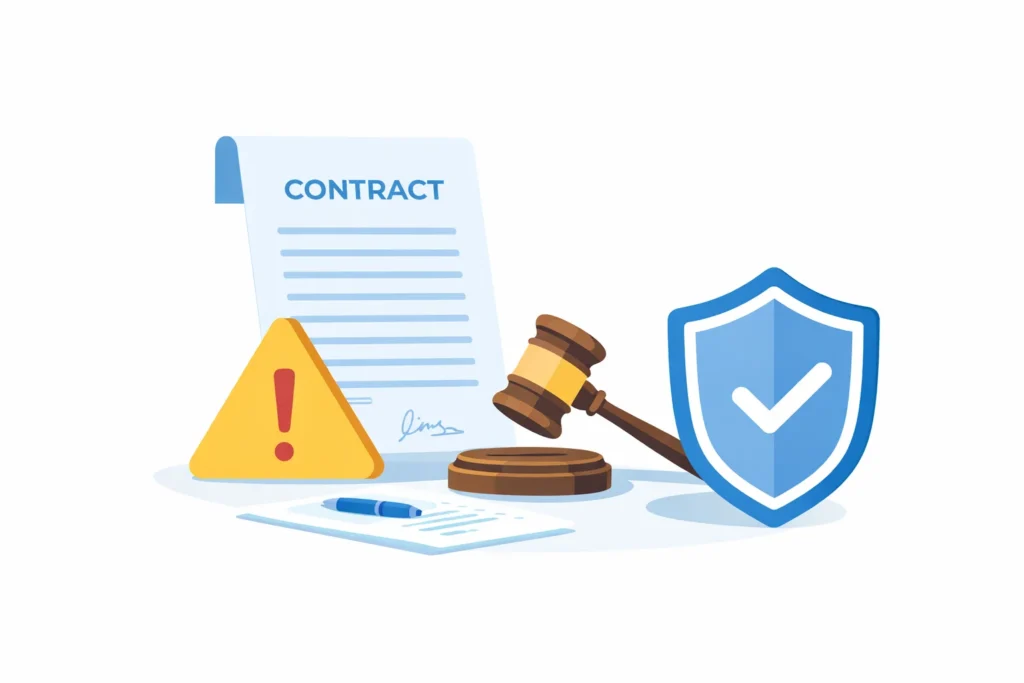
Pros
- Helps cover legal defense costs
If a client files a claim or lawsuit, legal fees can be expensive. Professional liability insurance may help cover attorney costs and related legal expenses. - Provides financial protection against claims
Coverage may help with settlements or judgments if a client claims that your work caused financial loss. - Builds trust with clients
Some clients feel more comfortable working with freelancers who carry insurance, especially for larger or long-term projects. - May be required in contracts
Certain clients or agencies require proof of insurance before starting work, making coverage necessary to secure those opportunities. - Supports business growth
As freelancers take on more complex or higher-value projects, having insurance can help manage increased risk.
Cons
- Additional cost
Insurance requires a monthly or annual premium, which may not feel necessary for freelancers handling low-risk or small projects. - Not always needed early on
Freelancers working on simple or low-impact tasks may not immediately benefit from this type of coverage. - Policy limitations and exclusions
Not all situations are covered. Policies typically exclude things like intentional wrongdoing or non-service-related issues. - Requires understanding of coverage details
Freelancers need to review policy terms carefully to understand what is included, which can take time and effort.
Professional liability insurance is not a one-size-fits-all solution. For some freelancers, it becomes an important part of managing business risk, while others may choose to consider it later as their work evolves and responsibilities increase.
The U.S. Small Business Administration explains that insurance helps small businesses manage financial risks.
How to Decide (Decision Framework)
Deciding whether to get professional liability insurance often comes down to evaluating your risk level, client expectations, and the potential financial impact of your work. Instead of a simple yes-or-no answer, freelancers can use a few practical questions to guide their decision.
1. Does Your Work Influence Business Decisions?
Ask yourself:
- Do clients rely on your advice or recommendations?
- Does your work affect revenue, operations, or strategy?
If your services influence important decisions, the potential impact of mistakes may be higher.
2. What Is the Financial Impact of Your Projects?
Consider:
- Are you working on high-value projects?
- Could an error or delay cause financial loss for your client?
Projects with larger budgets or business-critical outcomes often carry greater liability exposure.
3. Do Your Clients Require Insurance?
Some clients—especially companies and agencies—include insurance requirements in contracts.
Ask:
- Do your contracts mention liability clauses?
- Have clients asked for proof of insurance?
If yes, coverage may be necessary to work with certain clients.
4. How Complex Are Your Deliverables?
Evaluate:
- Are your projects technical or detailed?
- Do they involve multiple steps or stakeholders?
More complex work increases the chances of misunderstandings, delays, or errors.
5. Can You Handle Legal Costs on Your Own?
Even a small dispute can involve legal expenses.
Ask:
- Could you afford legal fees if a client files a claim?
- Would a dispute disrupt your business financially?
If not, insurance may help manage that risk.
Simple Decision Guide
| Situation | Consider Coverage? |
|---|---|
| Small, low-risk projects | Usually not necessary yet |
| Providing advice or consulting | Often considered |
| Working with large clients | Often required |
| High-value or complex projects | Strongly considered |
| Contracts include liability clauses | Often necessary |
There is no single rule that applies to every freelancer. By reviewing your type of work, client expectations, and financial exposure, you can make a more informed decision about whether professional liability insurance aligns with your current freelance business needs.
Frequently Asked Questions
Many freelancers ask, do freelancers need professional liability insurance when starting out? In most cases, it depends on the type of services offered and client requirements.
Do freelancers legally need professional liability insurance?
In most cases, freelancers are not legally required to have professional liability insurance. However, some clients—especially larger companies—may require proof of coverage before signing a contract.
What types of freelancers are most likely to need it?
Freelancers who provide advice, consulting, technical services, or work that directly impacts a client’s business decisions are more likely to consider this coverage. Examples include marketing consultants, developers, IT specialists, and business advisors.
Is professional liability insurance the same as general liability insurance?
No. Professional liability insurance covers claims related to services, advice, or work quality, while general liability insurance typically covers physical injuries or property damage involving third parties.
How much does professional liability insurance cost for freelancers?
Costs can vary depending on the type of work and coverage level, but many freelancers may see premiums starting from around $20–$40 per month for basic coverage. Higher-risk services or larger coverage limits can increase the price.
Can freelancers work without professional liability insurance?
Yes, many freelancers operate without it, especially in the early stages or when handling low-risk projects. However, as freelance work grows in complexity or financial impact, some professionals consider adding coverage.
When should freelancers start thinking about this insurance?
Freelancers often start considering professional liability insurance when they begin working with larger clients, signing formal contracts, or providing services that influence important business decisions.
Does professional liability insurance cover all types of claims?
No. Policies usually cover claims related to professional services, but they often exclude things like intentional wrongdoing, physical injuries, or property damage. Reviewing policy details is important to understand what is included.
Conclusion
So, do freelancers need professional liability insurance? The answer depends on the type of work, client expectations, and the level of risk involved.
Whether freelancers need professional liability insurance depends largely on the type of work they do and the level of responsibility they carry in their client projects. While many freelancers can operate without coverage in the early stages, the risks may increase as projects become more complex, clients become larger, and expectations grow.
Freelancers who provide advice, manage high-value projects, or work under formal contracts may face situations where clients expect accountability if something goes wrong. In these cases, professional liability insurance can help address potential legal and financial risks related to service-related disputes.
At the same time, not every freelancer needs this coverage immediately. By understanding the nature of your services, the impact of your work, and the requirements of your clients, you can make a more informed decision about whether professional liability insurance fits your current business needs.
As your freelance business evolves, revisiting this decision can help ensure that your level of protection aligns with the type of work you take on and the risks you may face.
Explore Related Guides
If you’re deciding whether professional liability insurance makes sense for your freelance work, these guides can help you explore the topic in more detail:
- When Freelancers Need Professional Liability Insurance: 7 Real Work Scenarios
Learn the most common situations where freelancers consider coverage based on real client work and project risks. - Professional Liability Insurance for Freelancers: Situations Where Clients May File Claims
Understand how client disputes can arise and the types of claims freelancers may face in day-to-day projects. - E&O Insurance for Consultants: Protecting Yourself From Advice-Related Claims
Explore how consulting work creates liability risks and how errors and omissions insurance applies to advisory services. - Professional Liability Insurance Guide for Freelancers and Consultants
Get a complete overview of how professional liability insurance works, what it covers, and how freelancers evaluate their options.
These resources will help you better understand how professional liability insurance fits into different freelance scenarios and how independent professionals manage risk as their business grows.
This content is for informational purposes only. Readers should consult a licensed insurance professional before making coverage decisions.


3 Comments